

Recipe: Honeybiscus Cooler
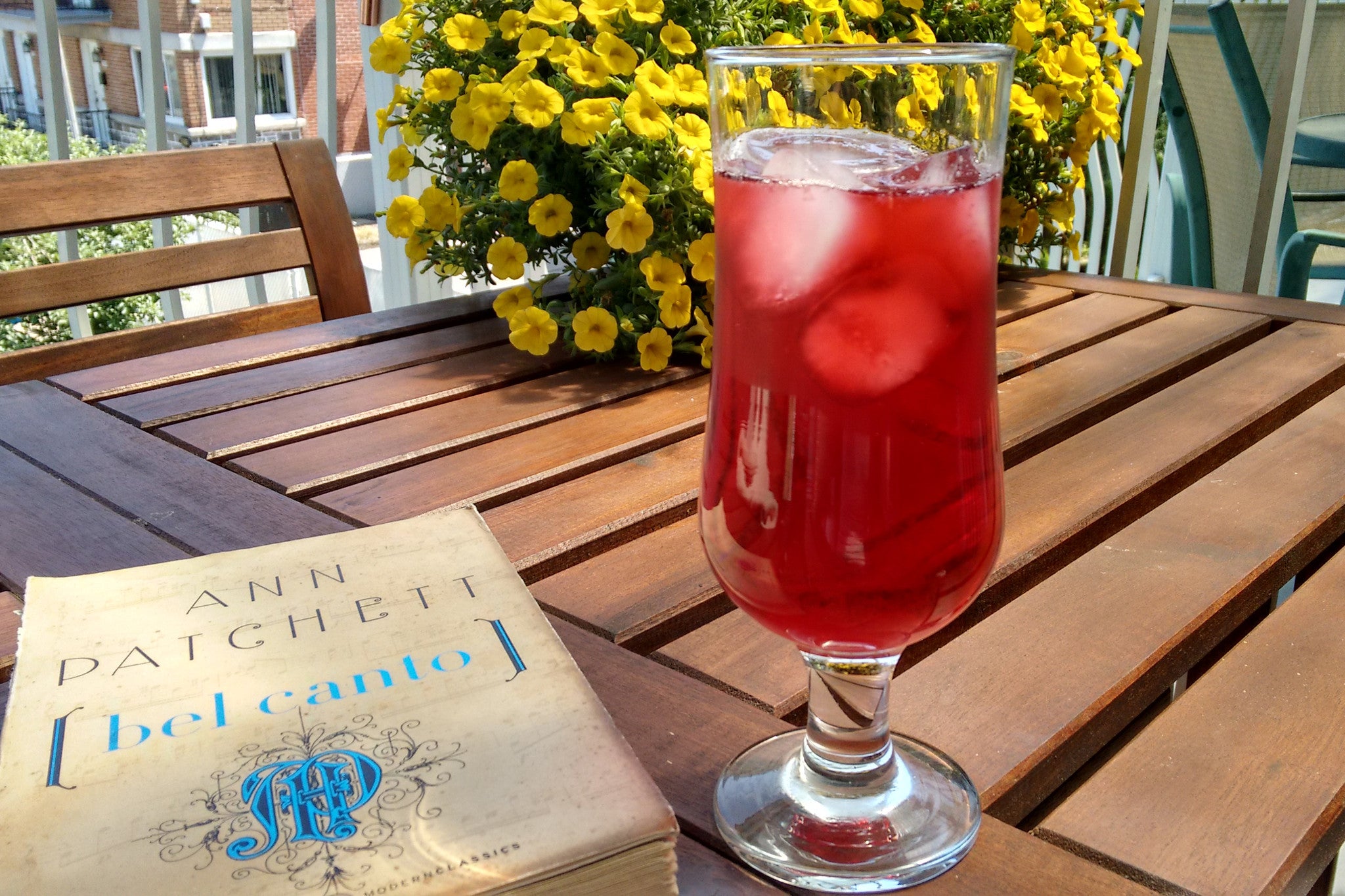
After posting this photo to Instagram and bringing the iced tea to our knitting picnic last week I got lots of requests for the recipe, so I'm sharing it here today. Honeybiscus cooler is a real summertime treat in my house. Enjoy!

Simple ingredients make a refreshing iced tea
If you're lucky enough to have a hibiscus plant with edible flowers you can collect and dry your own flowers to use in this recipe. Otherwise try your natural food store, loose-leaf tea store or Latin American grocer (look for flor de jamaica) to find this pretty and tasty ingredient.
The recipe makes a concentrated syrup which can be diluted to taste. I've found a 1 to 3 or 1 to 4 ratio is about right for my taste.
Ingredients
- 5 cinnamon sticks
- 1 cup dried hibiscus flowers
- 1 1/2 - 2 cups honey
- 1 cup fresh squeezed lemon juice (about 4 lemons)
Directions:
- In a saucepan combine cinnamon sticks with 4 cups of water. Bring to a boil and then simmer for 10 minutes.
- Remove from heat, add hibiscus flowers and steep, covered, for 30 minutes.
- Remove lid, strain juice. Add honey and lemon juice.
- To serve, dilute with water to desired strength and add ice.
Makes approximately 4 cups of concentrated syrup, 16-20 cups diluted.

Honeybiscus cooler and a good book. My idea of a perfect afternoon!

1 Réponse

Carolyn
First thing I’m going to do next week when I get home is make a batch of this! I have everything but the lemons! Thank you for sharing!
Laisser un commentaire
Voir l'article entier

Our new Gavotte BFL worsted yarn

Toccata Organic Cotton: Yarn Notes and Pattern Ideas
We're very excited to bring you the first-ever 100% cotton Sweet Paprika yarn!
Like many of you, we really enjoy working with plant fibres as well as wool yarns, especially in the hot summer months. So we spent some time this past winter researching and sampling cotton and hemp yarn bases, and in the end we decided to bring in a small batch of Toccata, a sport-weight organic cotton.

Three books about sheep and fibre
Are you looking to deepen your knowledge of fleeces and fibres? Below, we introduce three books we carry that contain a wealth of information about different fibre-producing animals and sheep breeds, and the best ways to use their fleeces. We hope this selection will support you as you explore different ways to work with a wide array of animal fibres.
Abonnez-vous
Sign up to get the latest on sales, upcoming events, new yarn, patterns and more...
+À propos du Sweet Paprika
Sweet Paprika Designs propose des matériaux de haute qualité pour les tricoteurs et crocheteurs, en mettant l’accent sur des produits locaux et durables. Les copropriétaires (et soeurs) Debbie et Elizabeth créent leurs propres laines teintes à la main, ensemble prêt-à-tricoter et patrons dans leur atelier de teinture à Montréal et organisent des événements de tricot et de teinture dans la communauté.
Elizabeth Sullivan
Auteur